
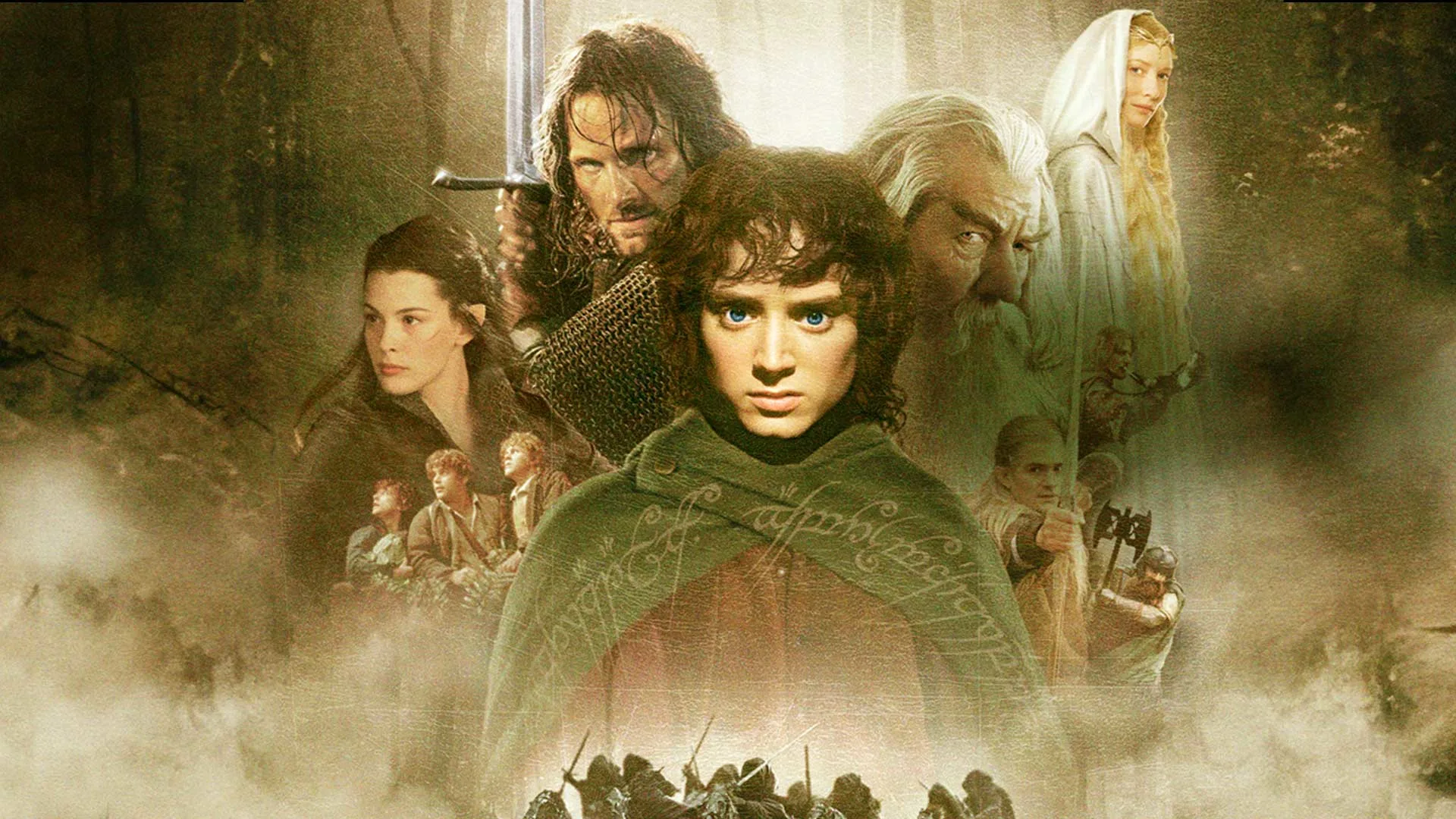
The Lord of the Rings is more than a fantasy story. It is a journey about courage, friendship, and hope. Even today, readers and viewers feel connected to its world. The story feels big, yet very human. It talks about fear, choices, and doing the right thing. Many people first meet Middle-earth as children. Others find it later in life. Either way, it leaves a deep mark.
What makes this story special is its heart. The heroes are not perfect. They are scared and unsure. Still, they move forward. That feeling feels real to readers. The world is full of magic, but the emotions feel true. That is why people trust this story. It feels honest and carefully built.
Over the years, books, movies, games, and shows have kept the story alive. Each new generation finds something meaningful. This article explores why The Lord of the Rings remains one of the most loved stories ever written.
J.R.R. Tolkien: The Mind Behind Middle-earth
J.R.R. Tolkien was not just a writer. He was a scholar and a language expert. He loved old myths and ancient stories. This love shaped everything he created. When he wrote The Lord of the Rings, he was building a full world. He created history, maps, and languages. That level of detail makes Middle-earth feel real.
Tolkien lived through war. His experiences shaped the story’s themes. You can feel the pain of loss and the fear of darkness. Yet, there is always hope. Tolkien believed small people could make a big difference. That belief shows clearly in the story.
Readers trust Tolkien because he cared deeply about his work. Nothing feels rushed. Every place and name has meaning. His background gave him authority. His careful writing gave readers confidence. That is why Middle-earth feels alive, even many years later.
The Story at the Heart of The Lord of the Rings
At its core, The Lord of the Rings is about a dangerous ring. This ring holds great power. It can control others and destroy lives. The story follows Frodo, a simple hobbit. He must destroy the ring to save the world. This task feels impossible. That makes the journey exciting and emotional.
The plot moves through danger, loss, and hope. Each step tests the characters. The story never feels empty. Every challenge has meaning. Good and evil are clear, yet not simple. Even good people can fail. That honesty makes the story feel real.
The journey also shows teamwork. Frodo never succeeds alone. Friends guide and protect him. This message feels important today. Big problems need shared effort. That is one reason readers still connect deeply with this story.
Middle-earth: A World That Feels Real
Middle-earth is one of the most detailed fictional worlds ever created. Mountains, forests, cities, and rivers all have history. This makes The Lord of the Rings feel believable. Readers can imagine walking through these lands. That sense of place builds trust in the story.
Each region has its own culture and mood. The Shire feels safe and warm. Mordor feels dark and hopeless. These contrasts help readers understand the danger. Tolkien’s maps also help. They guide the journey and make it feel planned.
Because Middle-earth feels real, readers care about it. They want to protect it. That emotional connection is powerful. It shows Tolkien’s deep experience and careful planning. Few stories achieve this level of world-building.
Characters That Feel Human and Honest
One reason The Lord of the Rings works so well is its characters. They feel real, even in a fantasy world. Frodo feels fear and doubt. Sam shows loyalty and strength. Aragorn struggles with responsibility. These feelings are easy to understand.
Even villains feel complex. Gollum shows how power can break someone. His story feels sad and uncomfortable. That honesty adds depth. Readers do not just see good versus evil. They see choices and consequences.
These characters earn trust because they grow. They make mistakes and learn. That growth feels natural. It reminds readers of their own lives. That is why these characters stay in memory long after the story ends.
Themes of Friendship, Courage, and Hope
The themes in The Lord of the Rings are simple, yet powerful. Friendship is one of the strongest. Sam never leaves Frodo. That loyalty shows real love. Courage also matters. Many characters act despite fear. That lesson feels important for all ages.
Hope is another key theme. Even in dark times, hope survives. Small acts matter. Kindness matters. Tolkien shows that light can exist in shadow. This message feels timeless.
These themes explain why the story works for children and adults. A child sees adventure. An adult sees meaning. That balance makes the story trusted and respected. It teaches without preaching.
The Impact of The Lord of the Rings Movies

The movie trilogy brought The Lord of the Rings to a wider audience. The films respected the books. That earned trust from fans. The acting, music, and visuals felt sincere. Nothing felt careless.
The movies helped people visualize Middle-earth. They made the story easier to enter. Many new readers discovered the books through the films. That shows strong cultural impact.
The success also proved the story’s strength. Even with changes, the heart remained. The films honored Tolkien’s vision. This careful approach built authority and respect in the fantasy genre.
How The Lord of the Rings Changed Fantasy Forever
Modern fantasy would look very different without The Lord of the Rings. Many stories copy its structure. Quests, dark lords, and chosen heroes became common. Tolkien set the standard.
Writers learned from his world-building. Games and movies followed his lead. Even music and art draw inspiration from Middle-earth. This wide influence shows true authority.
Yet, Tolkien’s work stands apart. Many stories try to copy the surface. Few match the depth. That difference proves why this story remains trusted and respected. It did not just entertain. It changed storytelling itself.
Lessons Readers Still Learn Today
Even today, The Lord of the Rings offers clear lessons. Power can corrupt. Kindness matters. Small choices shape big outcomes. These ideas feel relevant now.
The story also teaches patience. The journey is long. Progress is slow. That feels real. Readers learn that meaningful change takes time.
These lessons are not forced. They appear naturally through events. That makes them easier to accept. Readers trust the message because it feels earned. That is a sign of great storytelling.
Why Children and Adults Both Love This Story
Few stories speak to all ages. The Lord of the Rings does. Children enjoy the adventure and magic. Adults notice the deeper meaning and emotion.
The language is clear, yet rich. The story does not talk down to readers. It respects them. That builds trust across generations.
Families often share this story together. That shared experience strengthens its legacy. Each reader finds something personal. That personal connection keeps the story alive.
The Lasting Legacy of The Lord of the Rings
The legacy of The Lord of the Rings is strong and lasting. Books still sell. Movies still attract viewers. New adaptations appear. Interest never fades.
This lasting appeal proves the story’s quality. It was built with care and honesty. Tolkien wrote from experience and passion. Readers feel that.
As time passes, trends change. This story remains. That endurance shows true greatness. It is not just popular. It is meaningful.
FAQs About The Lord of the Rings
1.What is The Lord of the Rings really about?
At its heart, The Lord of the Rings is about choice. It shows how even small people can change the world. The story focuses on resisting evil and protecting what matters. It also shows the cost of power. The ring tempts everyone. How characters respond defines them. This message feels honest and relatable. That is why readers trust the story and return to it again and again.
2.Is The Lord of the Rings suitable for children?
Yes, many children enjoy The Lord of the Rings. The adventure and clear heroes appeal to young readers. Some scenes feel dark, but the message stays hopeful. Parents often read it with children. That shared reading helps explain deeper moments. The story grows with the reader. What a child misses at first often becomes clear later.
3.Why did Tolkien write The Lord of the Rings?
Tolkien wrote The Lord of the Rings to explore language, myth, and meaning. He wanted to create a world that felt ancient and real. His life experiences shaped the story. War, loss, and friendship appear often. Writing helped him express these ideas in a safe way. That honesty makes the story powerful and trusted.
4.What makes Middle-earth so believable?
Middle-earth feels real because Tolkien planned everything carefully. He created maps, languages, and histories. Nothing feels random. This effort builds trust with readers. When a world makes sense, readers relax. They believe in it. That belief allows the story to feel meaningful and immersive.
5.Are the movies faithful to the books?
The movies follow the main story of The Lord of the Rings closely. Some details change, but the heart stays true. The filmmakers respected Tolkien’s message. That respect earned fan trust. While books offer more depth, the films successfully capture the spirit of the story.
6.Why is The Lord of the Rings still popular today?
The story stays popular because its themes never age. Friendship, courage, and hope always matter. The Lord of the Rings feels honest and human. New generations discover it through books and movies. Each generation finds fresh meaning. That timeless quality keeps it alive.
Conclusion: A Story Worth Returning To
The Lord of the Rings is not just a fantasy tale. It is a story about life, choice, and hope. It earns trust through careful writing and honest emotion. Tolkien’s experience and passion shaped something rare.
If you have never read or watched it, now is a good time. If you already have, revisit it. You may notice something new. Great stories grow with us. This one always will.
Share your thoughts. Talk about your favorite character. Stories live longer when we talk about them.