
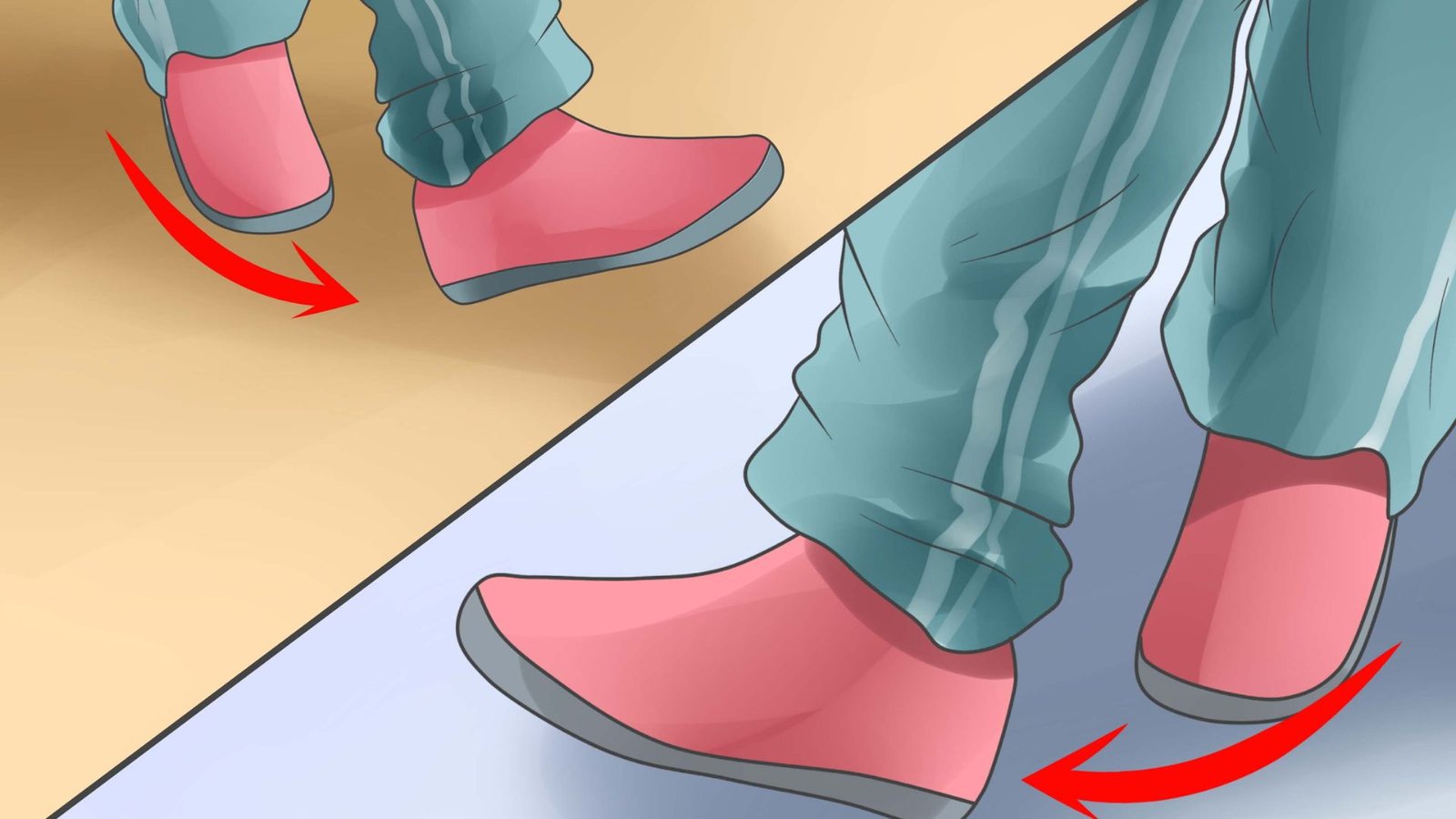
The crip walk is a well-known street dance that many people have seen online. Some see it in music videos. Others see it in games or social media clips. At first glance, it looks like fast foot movement and smooth steps. But the story behind it is deeper. This dance began many years ago in Los Angeles. It grew from street culture and later entered hip hop. Today, many people enjoy it as a dance style. Still, others misunderstand it. This article explains everything in clear and easy words. You will learn its history, meaning, evolution, and modern use. I will also share personal observations and cultural notes. The goal is learning, not promoting harm. When people understand culture, they respect it more. By the end, you will know what the crip walk really is. You will also know why people talk about it so much today.
The Origins of the Crip Walk in Los Angeles
The crip walk started in the early 1970s in South Central Los Angeles. It began within local street groups. At first, it was not a public dance. It was used as a coded movement system. The steps formed letters on the ground. These letters had meaning for those involved. Over time, the style became more visible. Young people started copying the footwork. It slowly turned into a recognizable dance. Many early performers did not think it would spread worldwide. They were simply expressing identity and presence. Culture often grows this way. One small idea becomes something much bigger. This history matters because it explains why some people treat the dance carefully. It also shows how street culture shapes music and art. Understanding the roots helps people avoid misuse or disrespect.
What the Crip Walk Really Means
Many people ask what the crip walk actually means today. The answer depends on context. In the past, it carried strong signals tied to local street identity. Those signals were serious. Today, the meaning has changed for many dancers. For them, it is now just footwork and rhythm. Still, the history does not disappear. That is why respect is important. When someone performs the dance without understanding, it can cause problems. I have seen online debates about this many times. Some dancers learn the steps for fun. Others learn the story first. The second group usually earns more respect. Meaning is not fixed forever. It changes as culture changes. But ignoring the past can hurt people. Learning first is always the best approach.
How the Crip Walk Became Popular in Hip Hop
The crip walk reached global audiences through hip hop music. West Coast rap played a big role. Music videos showed dancers using fast footwork. Fans copied what they saw. Soon, the style spread outside Los Angeles. Artists helped push it into the mainstream. When something appears on TV or online, it grows fast. Social media later made it explode again. Short dance clips reached millions of viewers. Hip hop has always shared dance styles across borders. This dance followed the same path. Still, many artists later warned fans. They said the dance has roots that deserve care. This honesty helped balance popularity with responsibility. Hip hop often teaches lessons this way.
Basic Crip Walk Dance Steps Explained Simply
The crip walk looks complex, but the basics are simple. Most steps focus on foot movement. Heels and toes move in quick patterns. Dancers slide, twist, and hop lightly. The goal is smooth flow, not force. Beginners often start with slow practice. They repeat small moves until comfortable. I always tell learners to focus on balance first. Speed comes later. Music helps a lot. The rhythm guides the feet. Many tutorials online teach basic steps. Still, learning respectfully matters. Practice in a safe space. Avoid public places where it may offend. Dance is expression, but awareness matters too.
Crip Walk vs Other Street Dance Styles
The crip walk is different from many street dances. Breakdancing uses big body moves. Popping focuses on muscle control. This dance stays low and grounded. The feet do most of the work. That makes it unique. It also connects strongly to West Coast culture. Other styles come from different cities. Each reflects local life and energy. Comparing dances helps people understand diversity. No style is better than another. They all tell stories. When dancers mix styles, creativity grows. Still, knowing the original form shows respect. That respect builds trust in dance communities.
Is the Crip Walk Dangerous or Misunderstood?
Some people think the crip walk is dangerous. That belief comes from its past. In certain places, performing it publicly caused trouble. Today, context matters more than ever. In many countries, it is seen as a dance only. In some areas, it still raises concerns. This difference causes confusion online. I have seen dancers criticized without reason. I have also seen real warnings ignored. Both extremes cause problems. The safest choice is awareness. Learn where you are. Learn who is watching. Culture is powerful. Power should be handled carefully.
The Crip Walk in Modern Social Media Culture
Social media changed how the crip walk is seen. Short videos made it trendy again. Young creators add music and edits. Many do not know the history. This is common with viral trends. Platforms move fast. Education moves slower. Some creators now add explanations. That helps a lot. I respect those efforts. Teaching while entertaining builds trust. It also matches modern content rules. Helpful content lasts longer. Trend-only content fades fast. Understanding makes the difference.
Cultural Respect and Responsible Learning
Learning the crip walk responsibly starts with respect. Respect means research. It means listening to voices from the culture. It also means knowing when not to perform it. I always suggest asking why you want to learn it. Is it curiosity? Is it art? Honest answers guide behavior. Cultural dances are not costumes. They carry history. Treating them lightly can hurt communities. When people show care, they are welcomed more easily. Respect turns learning into connection.
Can Anyone Learn the Crip Walk Today?
Yes, many people can learn the crip walk today. But learning comes with responsibility. In dance studios, it is often taught as footwork. Teachers explain the past clearly. This approach works well. Online learners should do the same research. Age, location, and setting all matter. I have seen beginners grow into respectful dancers. They learn steps and history together. That balance creates trust. Dance should bring people together. Done right, it does.
Common Myths About the Crip Walk
Many myths surround the crip walk. Some think it is illegal. It is not. Others think only one group can dance it. That depends on context. Some believe it always sends a message. That is not true today. Myths grow when people do not ask questions. Clear information solves most problems. This article exists for that reason. Knowledge replaces fear. Respect replaces judgment.
How Media Changed the Image of the Crip Walk
Media played a big role in shaping opinions about the crip walk. Early news reports focused on fear. Later media focused on style and trends. Neither showed the full picture. Balanced stories are rare. That is why people-first content matters. When media explains culture fully, trust grows. Viewers learn instead of react. This shift is slow but important. Responsible content creators help lead it.
FAQs About the Crip Walk
Is the crip walk just a dance today?
For many people, yes, the crip walk is now just a dance. Especially outside the United States, it is seen as footwork art. Still, history matters. Knowing where it came from helps avoid mistakes. Awareness keeps learning safe and respectful.
Why do some people avoid performing it publicly?
Some avoid it because of its past meanings. In certain places, it can still be misunderstood. Public performance without context may cause tension. Private practice is often safer. Context always matters.
Is learning the crip walk disrespectful?
Learning itself is not disrespectful. Ignoring history can be. Respect comes from understanding. Research first. Learn responsibly. That approach is usually welcomed.
Can kids learn this dance style?
Kids can learn the steps in controlled settings. Teachers should explain history in simple terms. Parents should guide learning choices. Education makes a big difference.
Why is the crip walk popular online?
It looks smooth and impressive. Short videos make it viral. People love fast footwork. Social platforms help trends spread quickly.
Should creators explain the dance when posting videos?
Yes, explanation builds trust. It helps viewers learn responsibly. It also matches helpful content standards. Education adds value.
Conclusion: Learning With Respect Builds Real Understanding
The crip walk is more than fast footwork. It is culture, history, and expression combined. Understanding it takes time. Respect makes that time meaningful. When people learn responsibly, dance becomes a bridge. It connects people instead of dividing them. I encourage readers to research before copying trends. Ask questions. Listen to voices from the culture. That approach creates trust. Culture deserves care. When treated well, it gives back creativity, learning, and connection.